

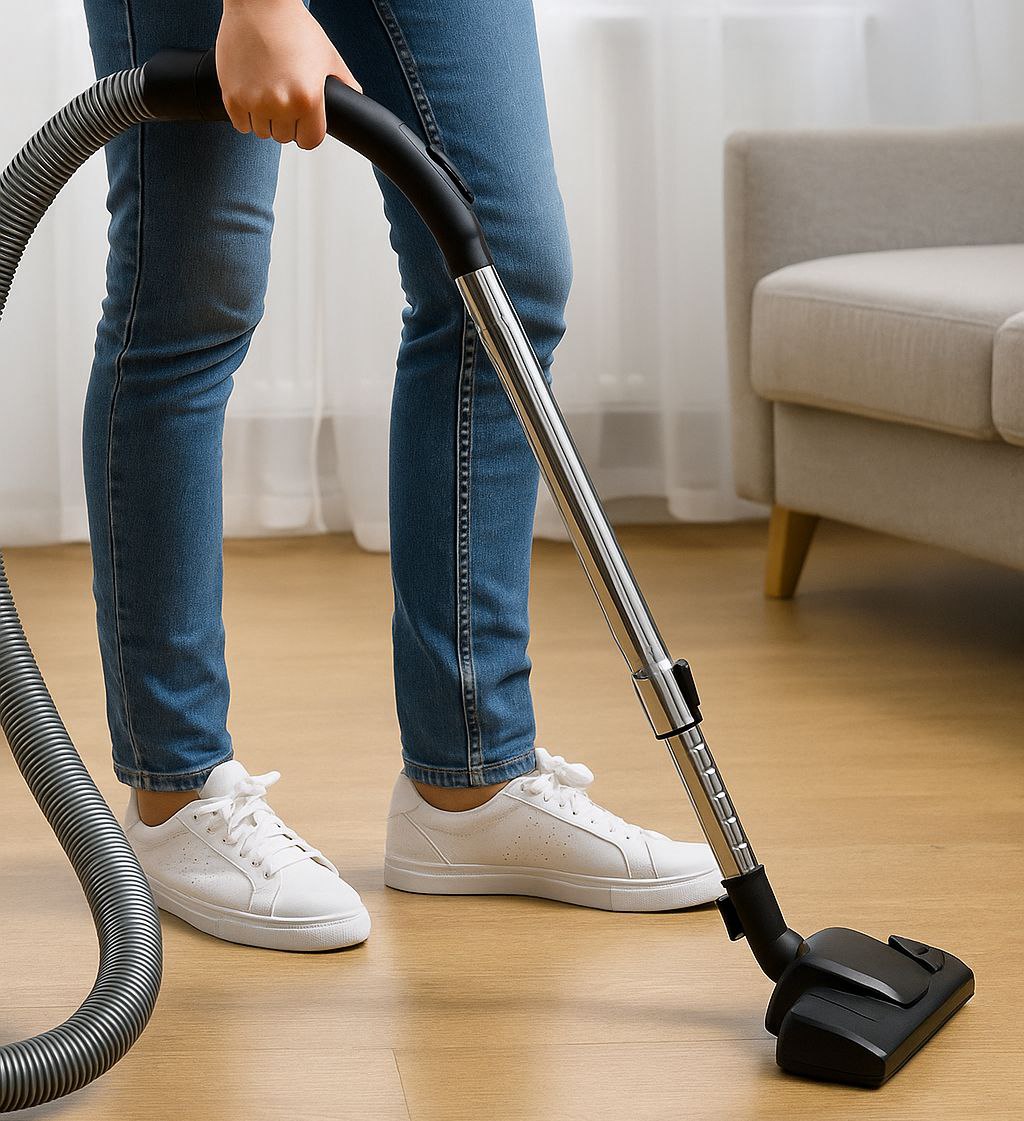
The household dust brush is one of the essential vacuum cleaner attachments designed to collect dust and dry particles from various surfaces. Using this brush correctly not only improves cleaning efficiency but also extends the lifespan of your vacuum cleaner.
Tips for Choosing and Using the Right Dust Brush
1. Choose the Right Brush for the Surface
A dust brush is typically suitable for cleaning dry surfaces such as parquet floors, stone, dry carpets, rugs, and even fabric upholstery. Selecting the correct shape and size ensures proper pressure on the surface and optimal dust collection.
2. Secure Attachment to the Hose or Wand
Before starting, make sure the brush is firmly connected to the vacuum hose or wand to prevent loosening or detachment during use.
3. Move Smoothly and Gently Across the Surface
For best results, guide the brush with steady, moderate pressure. Excessive force or rapid movement may damage delicate flooring or carpet fibers.
4. Use the Correct Motion
On carpets and rugs, use back-and-forth movements to help the bristles reach deep into the fibers and lift embedded dust. On smooth surfaces, slow linear motions are sufficient.
5. Avoid Using on Wet or Sticky Surfaces
Dust brushes are designed for dry cleaning. Contact with moisture or sticky residues can damage the bristles and promote bacterial buildup.
How to Identify a High-Quality Dust Brush
A good dust brush should be durable, efficient, and designed to withstand regular use.
The key selection criteria include:
1. High-Quality, Durable Bristles
The bristles should be made from strong materials such as polypropylene or nylon with proper density. Bristles that are too soft bend easily and lose efficiency, while overly stiff bristles may scratch surfaces.
2. Dense and Even Bristle Arrangement
Higher bristle density improves dust collection. The bristles should be arranged uniformly without large gaps.
3. Ergonomic and Secure Connection Design
A well-designed connector reduces hand and arm fatigue. The attachment should fit securely yet be easy to remove.
4. Resistance to Bending or Cracking
The brush body should be made from durable, pressure-resistant materials. Cracks or weak points can reduce cleaning performance.
5. Washable and Antibacterial Properties
Some brushes are made with antibacterial fibers or are designed to be washable without damage. These features enhance hygiene and extend the brush’s lifespan.
Cleaning and Maintaining Your Dust Brush
Over time, the bristles trap dust, hair, lint, and small debris. Regular cleaning helps maintain optimal performance.
Recommended Cleaning Methods:
1. Light Shaking and Tapping
After each use, take the brush outdoors or over a bin and gently tap it to remove loose dust.
2. Brushing the Bristles
Use a small brush or a plastic comb to remove hair and fibers stuck between the bristles.
3. Washing with Mild Soap
If the design allows, wash the brush with lukewarm water and a mild detergent. Rinse thoroughly and let it dry completely in an open, shaded area. Important: For vacuum cleaner brushes, ensure that any metal or electronic parts are removed before washing.
4. Avoid Drying Under Direct Sunlight
Direct sunlight may dry out or weaken the plastic and bristles. Allow the brush to air-dry naturally in the shade.
5. Periodic Disinfection
Every few months, clean the bristles with a diluted disinfectant solution (such as water mixed with vinegar or a mild antibacterial cleaner) to eliminate microbial contaminants.
Storage Tips
1. Keep the brush in a dry area, away from excess dust.
2. Check the bristles periodically and replace the brush if there is significant bending or breakage.
3. Avoid pressing the brush forcefully against surfaces to reduce bristle wear.
4. Ensure the airflow path and dust entry points remain clear and unobstructed.
Conclusion
The household dust brush is a simple yet highly effective tool for daily cleaning. With proper use, choosing a high-quality brush, and regular maintenance, you can maximize cleaning efficiency and extend the brush’s lifespan. Following these guidelines not only reduces replacement costs but also plays an important role in maintaining a healthier home environment.


